

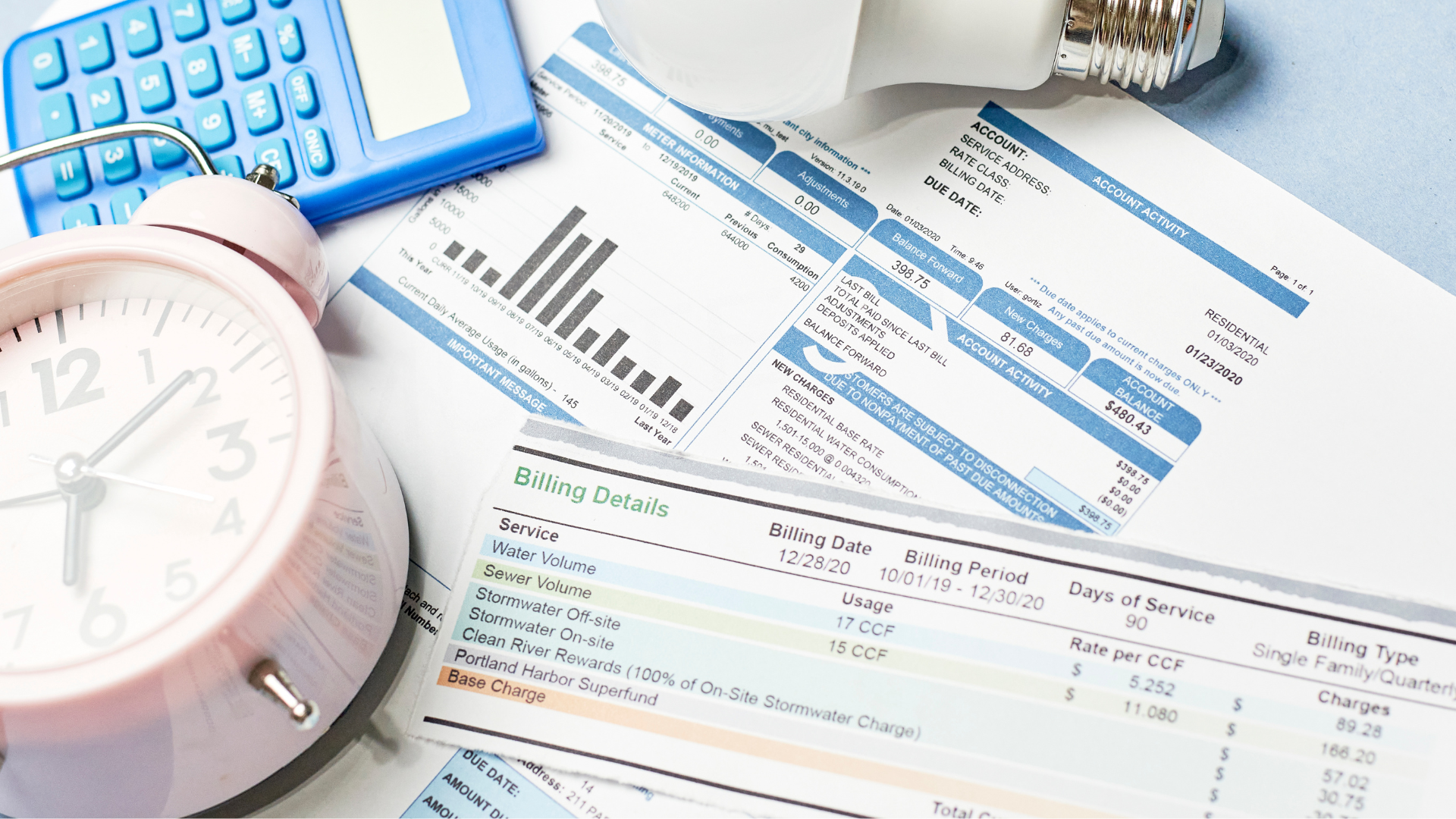
What is RUBS?
RUBS stands for “Ratio Utility Billing Systems.”
Landlords use RUBS to charge tenants for building-wide utility costs like water, sewer, and trash. Under RUBS, tenants are not billed (or are not only billed) for the utility usage in their own apartments; instead, landlords charge tenants a portion of the alleged total utility costs of the entire building according to a formula. Landlords often use RUBS for utilities when there is a single utility meter for the whole building rather than individual meters or submeters for each apartment (a submeter measures the amount of utilities like water or electricity that one apartment uses).
In buildings without RUBS, landlords either include the cost of utilities as part of the rent, or tenants have meters or submeters and pay only for their own utilities use, or there is a mix. (For example, the landlord pays the water bill for the building, and tenants pay their own gas and electricity bills.)
Why is RUBS bad for tenants?
In buildings where there is RUBS, tenants often pay hundreds of dollars per month in utilities without having any control over their costs. Landlords usually refuse to provide transparency when tenants ask for it.
Tenants have no control over how high their utility bills are. You are paying for a portion of the building’s total utility usage, rather than for the amount of utilities you actually use. If you are very careful about conservation, you could still be paying the same amount as someone who runs the shower for several hours per day.
Landlords often use RUBS to mislead and confuse tenants when they are signing their leases — a common tactic behind what are increasingly recognized as RUBS junk fees in rental housing. You don’t know at the time you’re signing a lease how much you will actually be paying.

Tenants can’t access utility assistance programs. If tenants are “customers of record,” then they can qualify for programs if they are low-income or fall behind on payments. In buildings where RUBS is used, they are ineligible for those programs.

Landlords often refuse to show tenants the bills. They refer tenants to a third-party like Conservice or Livable, and then those third parties say they can’t show the bills for privacy reasons. In some buildings, tenants with newer leases have RUBS and tenants with older leases don’t.
How do tenants know that the landlord is truly paying for the utilities for the older tenants, rather than simply charging it to the new tenants?
You may be paying more for things that are the landlord’s fault. If the landlord is slow to fill vacancies, you might be paying more because of that: the total building utilities usage is divided among fewer tenants.

Landlords have no financial incentive to make repairs or invest in improvements that would conserve water and lower utility costs.
For example, in one RUBS building, tenants discovered—after organizing—that many toilets were constantly leaking. The landlord had never investigated the issue before, because tenants were paying for all of the excess water usage.
There is no clear or effective way for tenants to dispute RUBS charges.
Tenants are often bounced between building managers, landlord, third-party billing companies, and utility providers—receiving no answers until they begin organizing collectively.